Unlocking the Power Within: A Deep Dive into Modern Hardware and Its Role in a Digital World

Introduction: The Silent Workhorse Behind the Digital Age
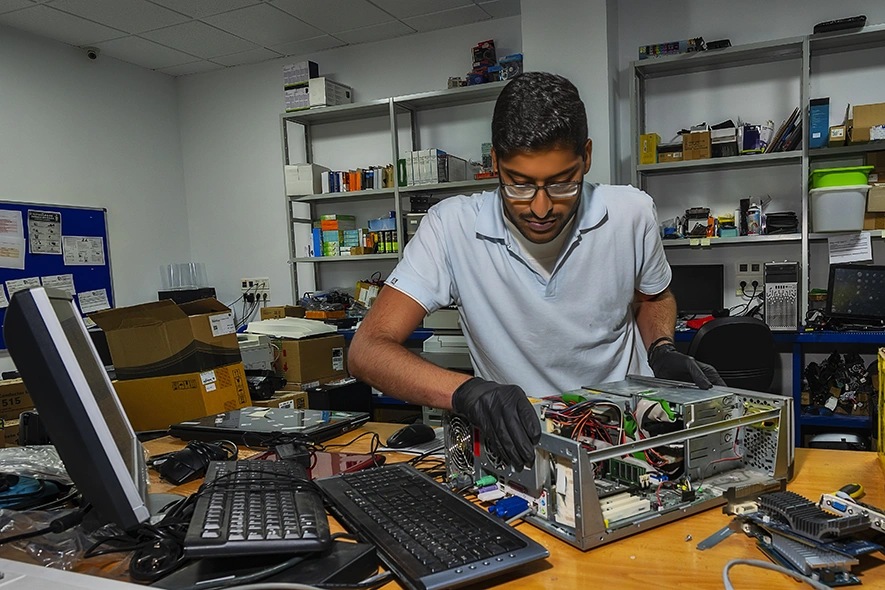
In the fast-paced digital era, much of the spotlight is often directed toward sleek software interfaces, app functionalities, and cloud-based services. Yet, behind every seamless interaction, there lies a silent, yet crucial contributor: hardware. From the powerful processors that drive our devices to the intricate circuitry enabling global communication, hardware serves as the foundation of the technological ecosystem. Understanding its evolution, relevance, and future potential offers a richer appreciation of the digital experiences we so often take for granted.
What is Hardware? A Foundational Overview
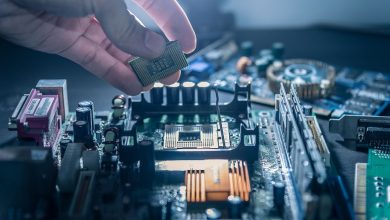
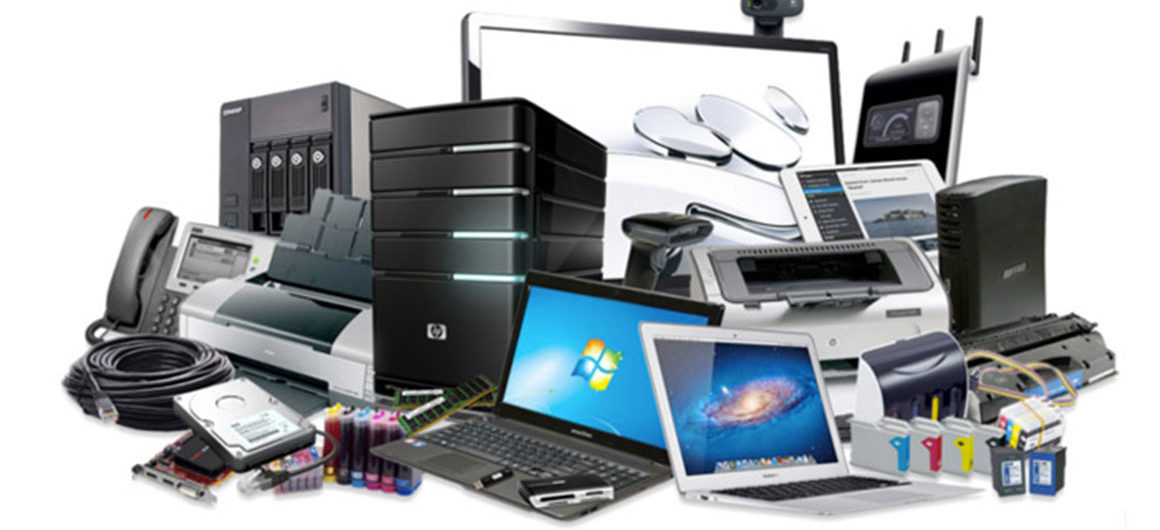
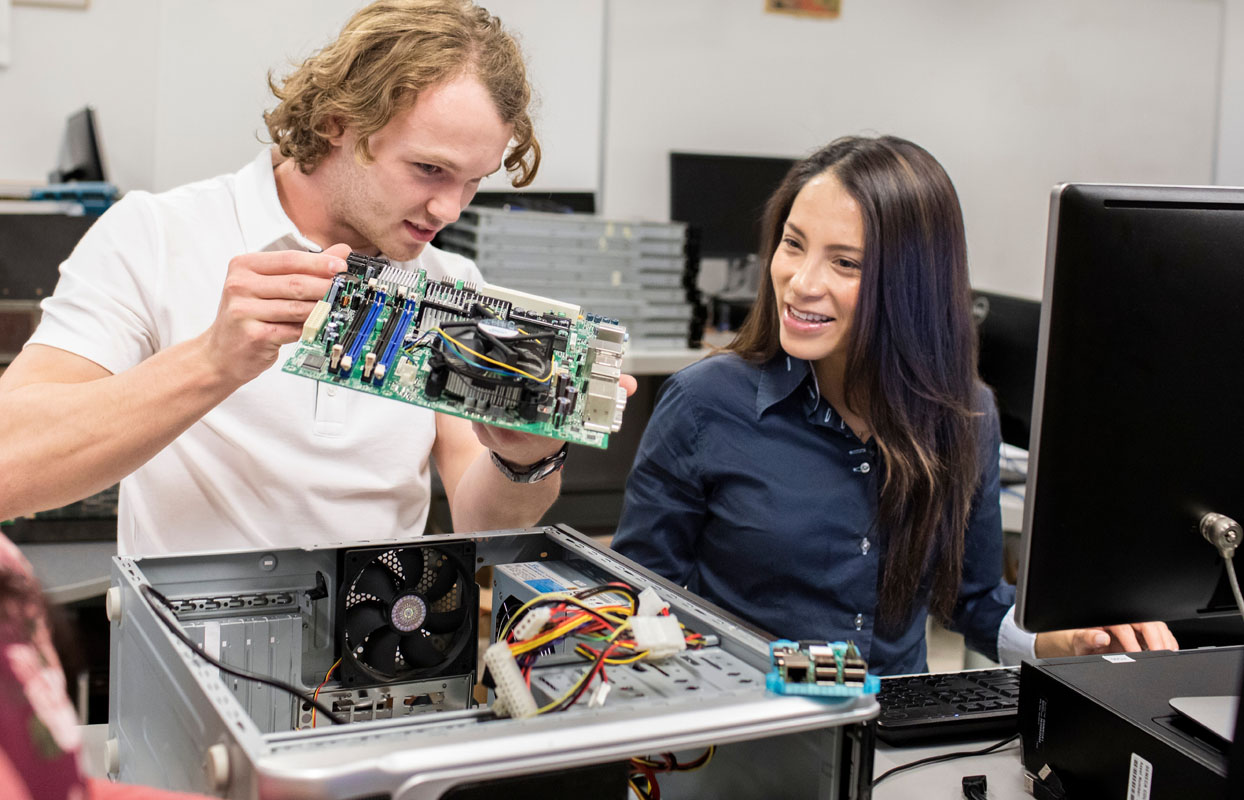
In simple terms, hardware refers to the physical components of any computing device or electronic system. It encompasses everything from central processing units (CPUs) and memory modules to hard drives, graphic cards, input devices, and even peripherals like keyboards and monitors. While software is the set of instructions or programs that tells the hardware what to do, it is hardware that executes those commands and brings digital functions to life.
Key categories of hardware include:
-
Processing Units: CPUs, GPUs, and specialized chips
-
Memory and Storage: RAM, SSDs, HDDs, flash memory
-
Motherboards and Circuitry: The backbone interconnecting all components
-
Input/Output Devices: Keyboards, mice, displays, and printers
-
Power Supply and Cooling Systems: Ensuring stable and efficient performance
Evolution of Hardware: From Vacuum Tubes to Quantum Chips
The journey of hardware has been nothing short of revolutionary. The first computers in the mid-20th century were massive, slow, and dependent on vacuum tubes. These machines occupied entire rooms and consumed enormous amounts of electricity.
As technology progressed, the advent of transistors in the 1950s, followed by integrated circuits in the 1960s, drastically reduced size and increased performance. The invention of the microprocessor in the 1970s laid the groundwork for the personal computing revolution.
Notable milestones in hardware evolution include:
-
1981: IBM’s launch of the first personal computer
-
1990s: The rise of graphical user interfaces and multimedia support
-
2000s: The emergence of smartphones and portable computing
-
2010s: Widespread adoption of SSDs, high-performance GPUs, and cloud-connected devices
-
2020s and beyond: Edge computing, AI accelerators, and early developments in quantum computing
The Role of Hardware in Today’s Technology Landscape
In an age where software dominates headlines, hardware quietly shapes the boundaries of possibility. Every software application, no matter how advanced, is limited by the capability of the hardware it runs on. Modern hardware not only empowers computing but also enhances user experience, security, and sustainability.
1. Performance and Speed
Hardware advancements have drastically improved the speed at which data is processed, transferred, and rendered. High-speed processors and GPUs allow for real-time editing, immersive gaming, and AI computations that were once the stuff of science fiction.
2. Mobility and Portability
From ultra-slim laptops to high-performance tablets, hardware innovations have made computing mobile without compromising on power. Lightweight materials, efficient batteries, and fanless cooling systems are driving this shift toward portable performance.
3. Sustainability and Energy Efficiency
Modern hardware design places increasing emphasis on energy efficiency. Components like solid-state drives (SSDs) consume less power than traditional hard drives. Additionally, eco-friendly manufacturing practices and recyclability are becoming key considerations.
4. Security at the Hardware Level
In a world fraught with digital threats, hardware-based security features such as Trusted Platform Modules (TPMs), biometric authentication chips, and secure boot processes add an essential layer of protection against cyberattacks.
Specialized Hardware: Meeting Unique Demands
As computing needs become more diverse, so too does the nature of hardware. Today’s landscape includes a variety of specialized components tailored to specific industries and applications.
-
Gaming Hardware: High-refresh displays, dedicated GPUs, liquid cooling systems
-
Creative Workstations: Multi-core processors, color-accurate monitors, expansive RAM
-
Data Centers: Blade servers, high-capacity storage, advanced networking gear
-
IoT Devices: Ultra-compact, low-power chips for smart homes and wearables
-
AI and Machine Learning: Tensor Processing Units (TPUs), neuromorphic chips
Hardware and the Future: Innovation on the Horizon
As we look ahead, hardware will continue to evolve in response to emerging technologies and societal needs.
Quantum Computing
Still in its nascent stages, quantum hardware aims to process complex calculations exponentially faster than traditional systems. It holds promise in cryptography, drug discovery, and large-scale simulations.
Wearable and Implantable Devices
Hardware is becoming increasingly intimate with the human body. From smartwatches that monitor heart rates to neural implants exploring brain-computer interfaces, the integration of tech and biology is accelerating.
Edge Computing
Instead of relying solely on cloud infrastructure, edge computing pushes processing power closer to the data source. This requires hardware that is compact, powerful, and capable of operating in decentralized environments.
Sustainable Innovation
Green hardware is more than a trend—it’s a necessity. From biodegradable circuit boards to energy-harvesting sensors, the future of hardware design will be deeply rooted in sustainability.
Challenges Facing Hardware Development
Despite its impressive strides, the hardware industry faces several challenges:
-
Supply Chain Disruptions: Global events have revealed vulnerabilities in the manufacturing and distribution of critical components like semiconductors.
-
E-Waste Management: Rapid hardware obsolescence contributes to rising electronic waste, posing environmental and health risks.
-
Cost and Accessibility: Cutting-edge hardware often remains out of reach for many, reinforcing digital divides.
Addressing these challenges requires coordinated efforts between governments, manufacturers, and consumers.
Conclusion: Recognizing the Backbone of Technology
Hardware may not always grab headlines, but its importance cannot be overstated. It is the foundation upon which the entire digital world is built—silent, steadfast, and ever-evolving. Whether you’re streaming a movie, conducting scientific research, or simply typing a message, it’s the hardware behind the scenes making it all possible.
As technology continues to shape our world, a deeper understanding of hardware reminds us that even the most dazzling digital innovations begin with something tangible—crafted with precision, driven by innovation, and grounded in physical reality. In celebrating hardware, we honor the machinery that empowers modern life and fuels the future of human achievement.