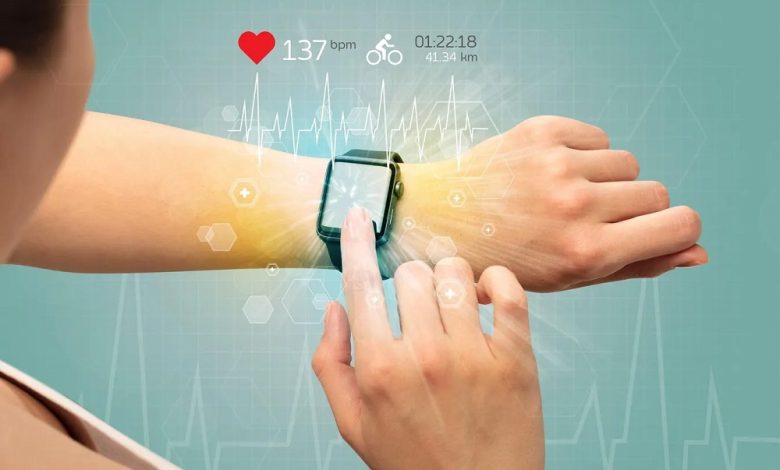
Wearable technology has undergone a remarkable transformation over the past decade. What began as simple wrist-worn pedometers designed to count daily steps has evolved into a sophisticated ecosystem of health intelligence platforms. Modern wearables monitor intricate biological signals in real time, translating complex physiological data into actionable lifestyle insights. From smartwatches and fitness bands to smart rings, connected clothing, and continuous biosensors, these devices are redefining how individuals approach physical performance, disease prevention, and daily well-being.
The shift is fundamental. Rather than relying on occasional clinical visits or subjective self-assessments, individuals now have continuous access to their own biological data. This democratization of health metrics is shifting healthcare from a reactive model, where treatment begins after illness occurs, to a proactive, preventive strategy driven by continuous monitoring and personal accountability.
The Evolution of Wearable Health Devices
Early consumer wearables focused primarily on basic metrics like distance traveled, active minutes, and estimated calorie expenditure. While these features encouraged physical activity, they offered limited context regarding overall health or physiological strain.
Recent breakthroughs in sensor miniaturization, optical engineering, battery efficiency, and machine learning have expanded the capabilities of modern wearables. Photoplethysmography sensors use light to measure blood flow changes at the microvascular level, enabling precise tracking of pulse rates and blood oxygen saturation. Advanced accelerometers, gyroscopes, temperature sensors, and electrodermal activity sensors now capture subtle movements, skin temperature fluctuations, and stress responses.
As these sensors grow smaller and more energy-efficient, the market has expanded beyond smartwatches into varied form factors. Smart rings offer discreet, continuous biometric tracking during sleep and daily movement without the bulk of a wrist display. Smart fabrics incorporate conductive threads directly into athletic apparel to measure muscle activation and posture. Hearables utilize in-ear optical sensors to gather clean pulse signals, as the thin skin inside the ear canal provides optimal conditions for biometric accuracy.
Real-Time Biometric Tracking and Predictive Insights
The true power of modern wearables lies in their ability to monitor baseline physiological functions continuously. By establishing a user baseline over weeks and months, wearable software can detect subtle deviations that signal fatigue, illness, or physiological stress long before physical symptoms become obvious.
-
Heart Rate Variability Monitoring: Heart rate variability measures the time variation between consecutive heartbeats. Higher variability indicates a well-recovered nervous system capable of adapting to stress, while low variability suggests physical strain, overtraining, or impending illness. Wearables utilize this metric to calculate readiness scores, guiding users on whether to push through an intense workout or prioritize active recovery.
-
Sleep Architecture Analysis: Advanced sleep tracking goes far beyond recording total hours spent in bed. Wearables analyze sleep stages, distinguishing between light sleep, deep sleep, and rapid eye movement sleep. By correlating sleep architecture with daily habits like evening screen time, caffeine intake, and late-day exercise, users can optimize their nocturnal recovery routines.
-
Continuous Metabolic Tracking: Continuous glucose monitors, traditionally reserved for diabetes management, are increasingly adopted by fitness enthusiasts and non-diabetic populations. These small biosensors track real-time blood sugar fluctuations in response to specific meals, exercise sessions, and stress levels, allowing users to tailor their metabolic nutrition.
-
Stress and Mental Well-Being Metrics: Electrodermal activity sensors measure microscopic sweat changes driven by sympathetic nervous system activation. Combined with breathing rate and heart rate data, wearables provide objective stress scores, prompting users to engage in guided breathwork or mindfulness exercises when stress spikes.
Shifting from Reactive Healthcare to Preventive Wellness
Traditionally, personal health management was episodic. Individuals visited medical professionals annually or when experiencing acute symptoms, yielding sparse, point-in-time diagnostic data. Wearable technology replaces this fragmented picture with a continuous stream of health data, fostering a culture of preventive wellness.
Continuous data collection enables early detection of physiological abnormalities. Smartwatches regularly detect irregular heart rhythms, such as atrial fibrillation, prompting users to seek medical evaluation before serious complications arise. Similarly, persistent spikes in resting heart rate or subtle increases in baseline body temperature often indicate an oncoming viral infection or systemic inflammation, allowing individuals to adjust their schedules and rest proactively.
Furthermore, wearables leverage behavioral psychology to encourage positive habits. Features like activity rings, step goals, streak tracking, and community leaderboards create subtle psychological incentives that combat sedentary behavior. Immediate feedback loops reinforce healthy choices, helping users recognize how a thirty-minute walk or an earlier bedtime directly improves their recovery and energy levels the following day.
AI Integration and Hyper-Personalized Training
Artificial intelligence and machine learning algorithms are transforming raw biometric data into personalized coaching. Early fitness trackers delivered standardized recommendations, such as taking ten thousand steps daily regardless of an individual’s age, fitness level, or recovery status. Modern wearable software analyzes personal historical data to generate customized training guidance.
Machine learning models evaluate daily recovery scores, recent training loads, sleep quality, and environmental factors to adapt workout programs dynamically. If a runner’s heart rate variability drops significantly overnight, the system might recommend swapping a high-intensity interval session for a gentle mobility workout. Conversely, when recovery indicators peak, the application encourages intense physical exertion to maximize performance gains.
This data-driven approach minimizes the risk of overtraining syndrome and athletic burnout, which frequently plague endurance athletes and dedicated gym-goers. By balancing stimulus and recovery based on objective physiological feedback rather than arbitrary schedules, users achieve safer, more sustainable long-term progress.
Navigating Challenges in Data Privacy and Biometric Accuracy
Despite the rapid advancements in wearable health technology, several operational and ethical challenges remain. Users and developers must address issues related to sensor accuracy, data privacy, and the psychological impact of continuous self-monitoring.
Consumer-grade wearables are not clinical diagnostic tools. Factors such as skin tone, motion artifacts, wrist placement, and ambient temperature can influence optical sensor accuracy. While smartwatches excel at identifying general trends and baseline shifts, individual data points can occasionally skew, leading to potential misinterpretations.
Data privacy represents another primary concern. Wearables collect highly sensitive personal information, including real-time location, cardiac metrics, sleep patterns, and stress responses. Users must carefully review how device manufacturers store, encrypt, and share this information, ensuring that personal health profiles are protected from unauthorized third-party access or commercial monetization.
Additionally, continuous biometric tracking can sometimes induce psychological anxiety. Overanalyzing daily recovery scores or obsessing over minor sleep disruptions can lead to conditions like orthosomnia, an unhealthy fixation on achieving perfect sleep metrics. Maintaining a balanced perspective—treating wearable insights as helpful indicators rather than absolute directives—is essential for healthy adoption.
Frequently Asked Questions
What is the most accurate metric to track on a fitness wearable for overall recovery?
Heart rate variability is widely considered the most reliable wearable metric for evaluating overall autonomic nervous system recovery. Because it measures the balance between the sympathetic and parasympathetic nervous systems, persistent drops in baseline heart rate variability provide an accurate reflection of physical stress, mental fatigue, overtraining, or early illness.
How do smart rings compare to traditional smartwatches for health tracking?
Smart rings offer a lighter, less intrusive form factor that excels at nocturnal monitoring, such as sleep stages, resting heart rate, and skin temperature. Because finger arteries are close to the skin surface, smart rings often yield cleaner PPG optical readings during quiet rest. Smartwatches, however, offer dedicated screens, real-time visual feedback during workouts, GPS navigation, and broader third-party app integration.
Can wearable technology replace traditional medical examinations?
No, consumer wearable technology is designed to complement, not replace, professional medical evaluation. While wearables provide valuable trend data and can alert users to potential anomalies like heart rhythm irregularities, they lack the diagnostic rigor, calibration, and clinical context of professional medical equipment and physician assessments.
How do continuous glucose monitors benefit individuals without diabetes?
For non-diabetic individuals, continuous glucose monitors offer clear visibility into how specific foods, sleep deprivation, stress, and physical exercise affect blood sugar stability. Identifying personal dietary triggers helps users optimize energy levels, prevent post-meal fatigue, improve metabolic flexibility, and make informed choices to support long-term metabolic health.
Why do optical heart rate sensors sometimes give inaccurate readings during high-intensity workouts?
Optical heart rate sensors rely on light reflections to detect blood volume changes in microvascular tissue. Rapid physical movements, heavy sweating, gripping equipment tightly, or improper strap tightness can create motion artifacts that interrupt light paths. For high-intensity interval training or weightlifting, chest strap heart rate monitors using electrical chest signals remain the gold standard for immediate accuracy.
What is the typical battery lifespan expected from modern wearable health devices?
Battery life varies significantly depending on the device form factor, screen display type, and sensor sampling frequency. Feature-dense smartwatches with high-resolution touchscreen displays typically require charging every one to two days. Conversely, dedicated fitness trackers, smart rings, and hybrid watches with low-power displays can operate anywhere from five days to two weeks on a single charge.
How do health wearables assist older adults with safety and independent living?
Modern wearables include targeted features for aging populations, such as automated fall detection, emergency SOS messaging, irregular heart rate notifications, and medication reminders. If a hard fall is detected and the user remains unresponsive, high-end wearables can automatically transmit GPS coordinates to emergency services and designated family contacts, supporting personal safety and independent living.