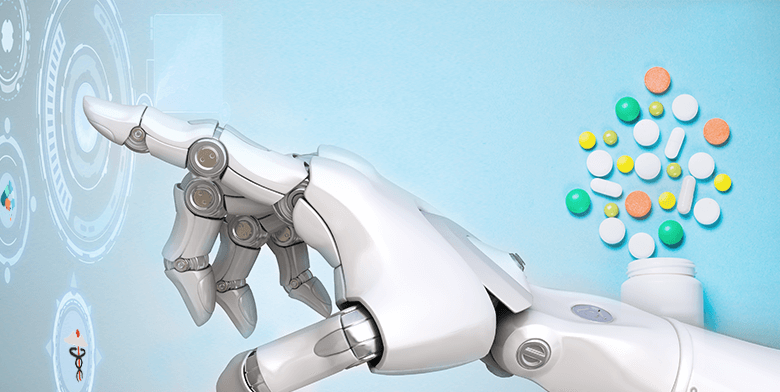
Artificial intelligence is becoming an increasingly valuable tool in pharmaceutical manufacturing, helping companies improve consistency, efficiency, and quality across their operations. While much of the public conversation around AI focuses on dramatic innovation, its greatest impact in manufacturing often comes from improving the countless processes that take place behind the scenes every day.
In an industry where precision is essential and regulatory requirements are stringent, even small improvements can produce meaningful results. AI provides manufacturers with new ways to analyze information, monitor performance, and support decision-making, helping teams maintain the high standards required throughout the production process.
Improving Consistency Across Complex Operations
Pharmaceutical manufacturing involves managing a wide range of variables that can influence product quality. Raw material characteristics, environmental conditions, equipment performance, and process parameters must all remain within carefully controlled limits.
Although experienced personnel play a critical role in overseeing production, human decision-making can naturally vary over time. AI helps reduce that variability by continuously evaluating large volumes of operational data and identifying patterns that may not be immediately visible through traditional monitoring methods.
Rather than replacing skilled professionals, AI serves as an additional layer of intelligence that helps teams make faster and more informed decisions. The result is greater process stability and improved consistency across manufacturing operations.
Creating More Responsive Manufacturing Systems
One of AI’s most valuable characteristics is its ability to learn from data and improve over time. Unlike conventional automation systems that rely on predefined rules, machine learning models can adapt as conditions change and new information becomes available.
This capability allows manufacturers to optimize processes with greater precision. Production systems can respond more effectively to changing conditions, helping maintain product quality while minimizing unnecessary variation.
Equipment reliability is another area where AI is delivering measurable value. By analyzing operational data, AI can detect subtle indicators of performance degradation before a failure occurs. Maintenance teams can then address potential issues proactively, reducing unexpected downtime and extending the useful life of critical assets.
AI-driven insights can also help optimize production settings in real time, supporting more efficient resource utilization and reducing waste throughout the manufacturing process.
Strengthening Supply Chain Performance
The pharmaceutical supply chain has become increasingly complex, requiring manufacturers to manage inventory, suppliers, transportation networks, and shifting market demand with greater precision.
AI supports these efforts by evaluating historical performance data alongside current market conditions. Advanced forecasting models can help identify potential demand fluctuations, anticipate supply constraints, and improve inventory planning decisions.
With better visibility into supply chain dynamics, manufacturers can respond more effectively to disruptions while maintaining continuity across production and distribution operations.
Supporting Compliance in a Highly Regulated Industry
Innovation in pharmaceutical manufacturing must always be balanced with regulatory requirements. Every process, decision, and product must meet strict standards for quality, documentation, and traceability.
AI can help organizations manage these requirements more efficiently. Technologies such as natural language processing can assist teams in reviewing regulatory guidance, technical documentation, and compliance-related information more quickly. At the same time, advanced data management systems improve visibility throughout the manufacturing lifecycle, making it easier to maintain accurate records and demonstrate compliance during audits.
These capabilities allow manufacturers to pursue operational improvements while maintaining the transparency and accountability expected within the industry.
As artificial intelligence continues to mature, its role in pharmaceutical manufacturing is likely to expand. The value of the technology lies not simply in automation, but in its ability to help manufacturers build more reliable processes, improve operational resilience, and support the continued advancement of healthcare production worldwide.
For additional insight into how AI is redefining standards in pharmaceutical production, explore the visual guide accompanying this article from Advanced Technology Services, a provider of industrial preventive maintenance services.