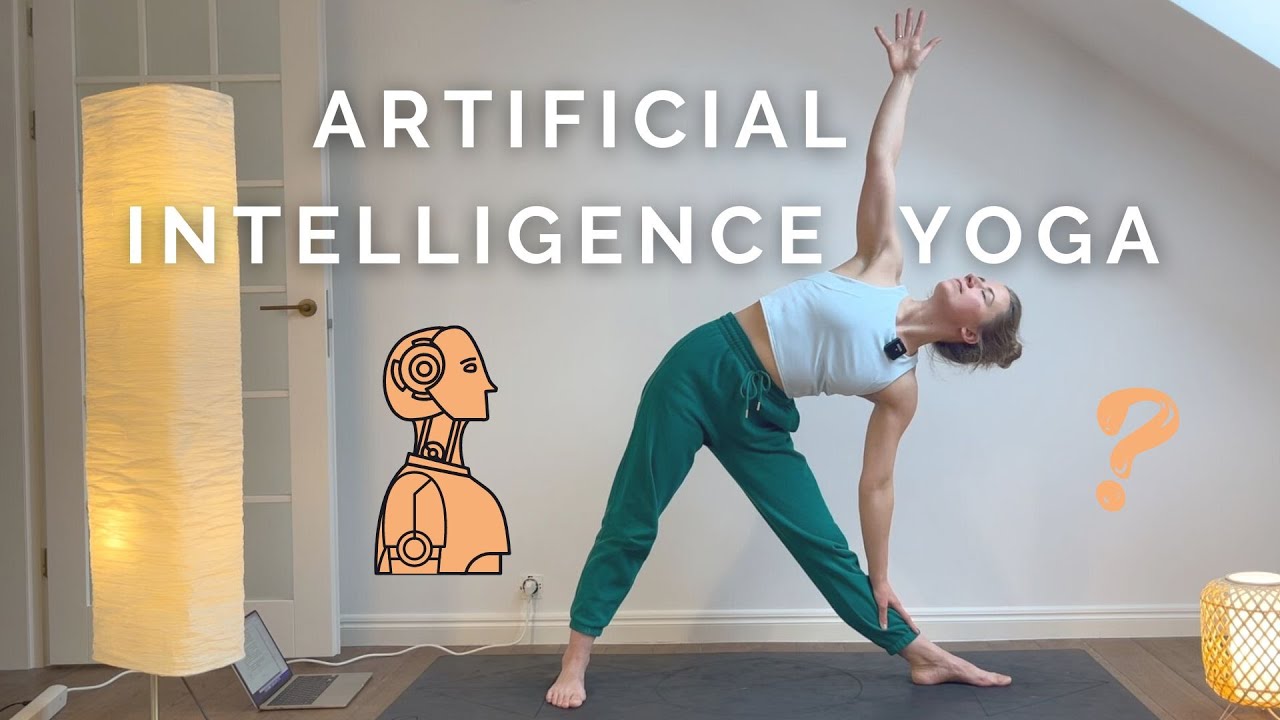
The integration of artificial intelligence into daily life has transformed how we work, shop, and even exercise. Yet, one area where technology is quietly making waves is in the field of holistic wellness. Traditional practices like hatha yoga are now being complemented by smart devices and AI-driven platforms that track posture, monitor breath, and guide meditative states. For practitioners who want to deepen their awareness while adapting to modern lifestyles, this combination of tradition and technology opens up exciting possibilities.
The Meeting Point of Tradition and Innovation
Hatha yoga has always been about balance—between body and mind, effort and relaxation, inner awareness and external posture. Technology, particularly AI, contributes to this by offering measurable feedback and personalised insights. While the essence of yoga remains human experience, artificial intelligence supports practitioners in identifying alignment issues, monitoring progress, and ensuring consistency.
AI-Powered Posture Correction
One of the most practical uses of AI in yoga is posture correction. Many practitioners struggle to know whether they are aligned correctly during poses. AI-driven devices and apps now use motion sensors and computer vision to analyse posture in real time.
-
Instant feedback helps practitioners adjust their alignment to avoid injury.
-
Progress tracking allows users to see improvements over weeks or months.
-
Personalised adjustments create tailored recommendations based on individual needs.
For beginners, this technology bridges the gap between learning at home and receiving expert guidance.
Breathing Analysis with Smart Devices
Breathwork, or pranayama, is a central aspect of hatha yoga. Technology has begun to measure the depth, rhythm, and efficiency of breathing. Wearable devices can monitor heart rate variability, oxygen saturation, and even diaphragmatic engagement. This information helps practitioners understand how effectively they are breathing during yoga sessions. By highlighting shallow or irregular breathing patterns, AI encourages greater awareness and improvement over time.
Virtual Reality and Immersive Yoga Experiences
Virtual reality (VR) has created opportunities for immersive yoga practice. Imagine stepping into a digital environment where distractions fade and focus deepens. VR-guided hatha yoga sessions replicate the calming atmosphere of a studio while allowing practitioners to practise from anywhere.
-
Customisable settings such as beaches, forests, or quiet studios enhance relaxation.
-
Immersive guidance from virtual instructors improves concentration.
-
Isolation from external distractions supports mindfulness and deep presence.
This is particularly useful for urban dwellers who may not always have access to peaceful environments.
Data-Driven Wellness Insights
Artificial intelligence thrives on data, and yoga practice generates plenty of it—breathing patterns, posture durations, balance metrics, and stress levels. By collecting and analysing this data, AI platforms provide valuable insights:
-
Tracking consistency in practice.
-
Identifying stress triggers and recovery times.
-
Recommending specific postures or routines to match health goals.
These personalised insights motivate practitioners to maintain regular routines and encourage long-term growth.
The Human Element Still Matters
While technology offers incredible support, it is important to remember that hatha yoga remains a deeply human practice. Awareness, intention, and mindfulness cannot be automated. AI can enhance understanding, but it cannot replace the personal experience of connecting breath to movement and mind to body. Technology works best when used as a complement, not a replacement, for mindful practice.
Balancing Technology and Mindfulness
The challenge lies in using AI without losing the essence of yoga. Too much dependence on gadgets can distract from the inward journey. Practitioners should approach smart devices as supportive tools rather than as the centre of their practice. Striking this balance ensures that technology adds value while preserving the traditional roots of hatha yoga.
Practical Ways to Integrate AI into Yoga Practice
For those curious about merging yoga with technology, here are some practical tips:
-
Use posture-tracking apps for alignment checks but avoid over-reliance.
-
Practise breathwork first without devices, then use wearables to refine patterns.
-
Try VR yoga sessions occasionally to explore immersive focus but continue real-world practice for grounding.
-
Review AI-driven data weekly rather than obsessing over every session.
This balanced integration ensures technology enhances rather than dominates practice.
The Future of AI in Yoga
Looking ahead, the potential for AI in yoga is vast. Future innovations may include:
-
Emotion-sensitive guidance where devices detect stress and adjust routines accordingly.
-
Voice recognition to guide meditation in real time.
-
AI-driven group practices where multiple participants’ data is combined for shared insights.
These advancements promise to personalise yoga experiences further, making wellness even more accessible.
The Value of Professional Guidance
Despite technological advances, in-person and guided instruction remain irreplaceable. Trained instructors provide emotional support, correct subtle misalignments, and create a community of practice. Technology can enhance learning but cannot replicate the depth of human connection. For those who wish to blend tradition with innovation, platforms like Yoga Edition offer professional guidance alongside modern accessibility.
FAQs on AI and Hatha Yoga
Can AI replace yoga instructors completely?
No, AI can support posture correction and breath analysis, but the personal guidance, empathy, and intuition of a human instructor cannot be replaced.
Is VR yoga as effective as in-person sessions?
VR can create immersive focus and relaxation, but physical adjustments and real-world energy are still better experienced in live sessions.
Do smart devices make yoga too mechanical?
Not if used wisely. They should be seen as supportive aids, not as replacements for self-awareness and mindfulness.
Is it necessary to use AI for hatha yoga?
No, hatha yoga is effective on its own. AI is optional and mainly helps those who want additional feedback and data-driven insights.
What is the biggest risk of overusing technology in yoga?
The main risk is losing mindfulness and becoming dependent on devices instead of cultivating inner awareness. Balance is essential.