Introduction: Where Vision Meets Structure
Design development is the critical bridge between conceptual creativity and practical execution. It’s the process that transforms imaginative ideas into functional, refined, and aesthetically compelling realities—whether in architecture, digital products, fashion, or industrial design. While creativity often gets the spotlight, the developmental phase is where the integrity and viability of a design are tested, refined, and realized. It’s the space where artistry meets precision, and abstract concepts are translated into tangible solutions.
Understanding the Essence of Design Development
Design development is a methodical progression that begins once the initial concept or schematic design has been approved. It involves expanding upon preliminary ideas, refining key elements, and making critical decisions that shape the final product or structure. At its core, design development is an iterative process—balancing form and function, aesthetics and performance, vision and feasibility.
This phase typically includes:
-
Detailed drawings and specifications
-
Material selection and sourcing
-
Engineering and technical integrations
-
Cost estimation and feasibility analysis
-
Stakeholder feedback and revisions
In short, design development is the translation of creative thought into actionable, build-ready plans.
The Key Pillars of Design Development
The success of a design development process hinges on several interdependent components. These pillars not only ground the process but also enhance the quality and coherence of the final outcome.
1. Clear Communication
One of the most overlooked yet vital elements of design development is communication. Designers, developers, engineers, and clients must engage in a constant exchange of ideas and feedback. Misunderstandings in this phase can lead to delays, budget overruns, or misaligned expectations.
Key practices include:
-
Regular design review meetings
-
Clear documentation of changes
-
Visual mockups and prototypes for alignment
2. Technical Accuracy
Designs must evolve beyond visual appeal. They need to work. Whether it’s the structural integrity of a building, the user interface of a mobile app, or the ergonomics of a new product, technical feasibility is paramount. During this phase, engineers and developers work closely with designers to test and validate all aspects of the design.
Areas of technical focus may include:
-
Load analysis and safety in architecture
-
Responsiveness and accessibility in web design
-
Mechanical efficiency in product development
3. Material and Resource Integration
Every design is constrained—and enhanced—by the materials and technologies available. Selecting the right resources involves evaluating cost, durability, sustainability, and compatibility. This is also where sustainability can be integrated through responsible material choices and energy-efficient planning.
Questions to consider include:
-
What materials offer the best performance-to-cost ratio?
-
How can we reduce environmental impact?
-
Are there alternatives that enhance longevity without compromising aesthetics?
4. Budget Management
Great design is not only creative and functional—it is also financially viable. Design development requires an ongoing cost-benefit analysis to ensure the project remains within scope. Designers must often reconcile artistic ambition with economic reality, which demands skillful value engineering without sacrificing the core design intent.
5. Legal and Regulatory Compliance
Every design must meet local codes, standards, and regulations. This applies across disciplines—whether zoning laws in architecture, accessibility standards in digital design, or safety guidelines in consumer products. Early integration of regulatory expertise can prevent costly reworks later in the development cycle.
Design Development Across Disciplines
The principles of design development are universal, but their application varies depending on the field. Let’s explore how this process unfolds in different contexts.
Architecture and Interior Design
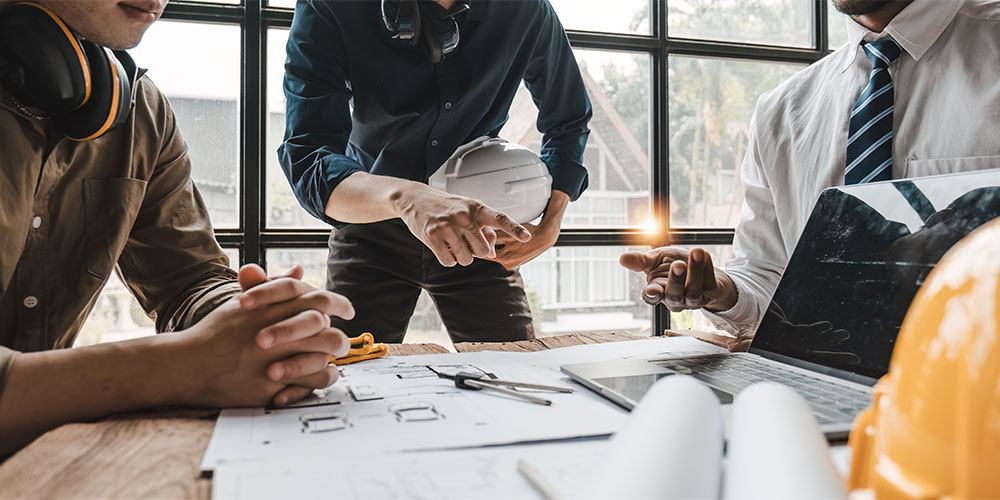
In architecture, design development expands on schematic designs to produce floor plans, elevations, sections, and details. Materials, finishes, mechanical systems, and structural details are finalized. Engineers collaborate to ensure systems align, while permitting and cost estimation begin in earnest.
Digital Design and Software Development
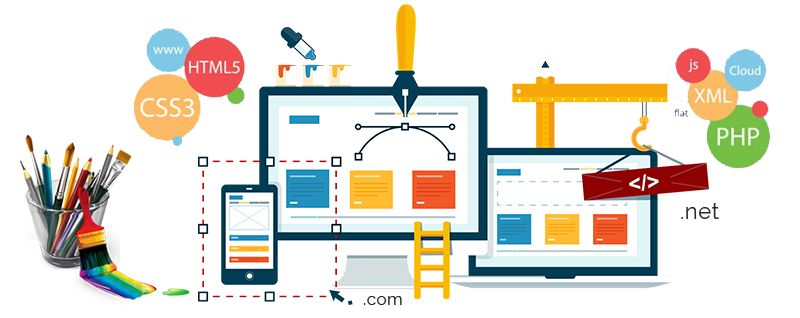
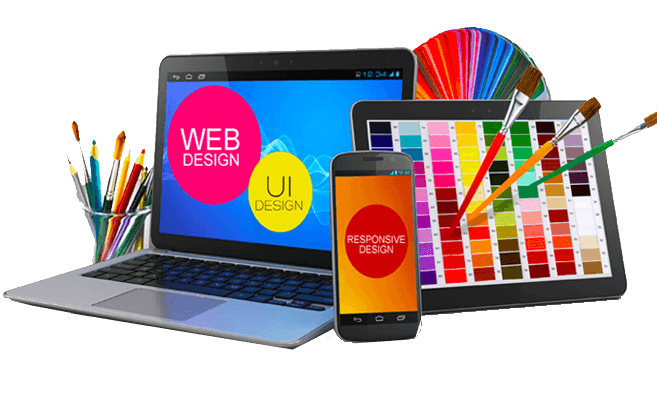
For digital products, this phase involves turning wireframes and visual mockups into interactive prototypes and front-end code. Developers work with UI/UX designers to ensure functionality, usability, and performance. Attention is paid to user flows, animations, error states, and mobile responsiveness.
Industrial and Product Design
Design development in this field includes prototyping, stress testing, user testing, and refinement of mechanical systems. The goal is to optimize performance, comfort, and manufacturing feasibility while preserving the aesthetic identity of the product.
The Role of Technology in Design Development
Advancements in technology have significantly enriched the design development process. From 3D modeling software to augmented reality simulations, designers and developers now have powerful tools at their disposal to visualize, test, and communicate ideas.
Examples of useful technologies include:
-
CAD and BIM Software: For precision modeling and simulation
-
Prototyping Tools: Like Figma or Adobe XD for interactive digital products
-
AR/VR Platforms: To simulate user experiences before physical or digital deployment
-
Collaboration Suites: Such as Slack, Trello, or Notion to streamline workflows
Challenges in the Design Development Process
Despite its importance, the design development phase is not without hurdles:
-
Scope Creep: Without proper boundaries, projects can expand beyond original intent, straining budgets and timelines.
-
Conflicting Stakeholder Interests: Aligning various priorities—from clients to developers—requires diplomacy and clarity.
-
Unforeseen Constraints: Site conditions, technical failures, or vendor limitations can derail even the most robust plans.
To mitigate these, project managers must implement risk management strategies, foster open dialogue, and remain adaptable throughout the development process.
Conclusion: Mastering the Transition from Vision to Reality
Design development is more than just a phase—it is the crucible where creativity meets constructability. It demands rigor, collaboration, and a deep understanding of both artistic vision and practical constraints. When executed skillfully, it ensures that the final outcome is not only beautiful but also functional, durable, and relevant.
In a world increasingly driven by innovation and user-centric thinking, mastering the design development process is essential for anyone involved in creating meaningful experiences—whether buildings, apps, or consumer products. As technology and expectations evolve, those who can seamlessly blend imagination with execution will lead the way in shaping a more thoughtful and intelligently designed future.