The Tech-Driven Cyclist: Must-Have Gadgets and Apps to Elevate Your Home Indoor Cycling Setup in Singapore

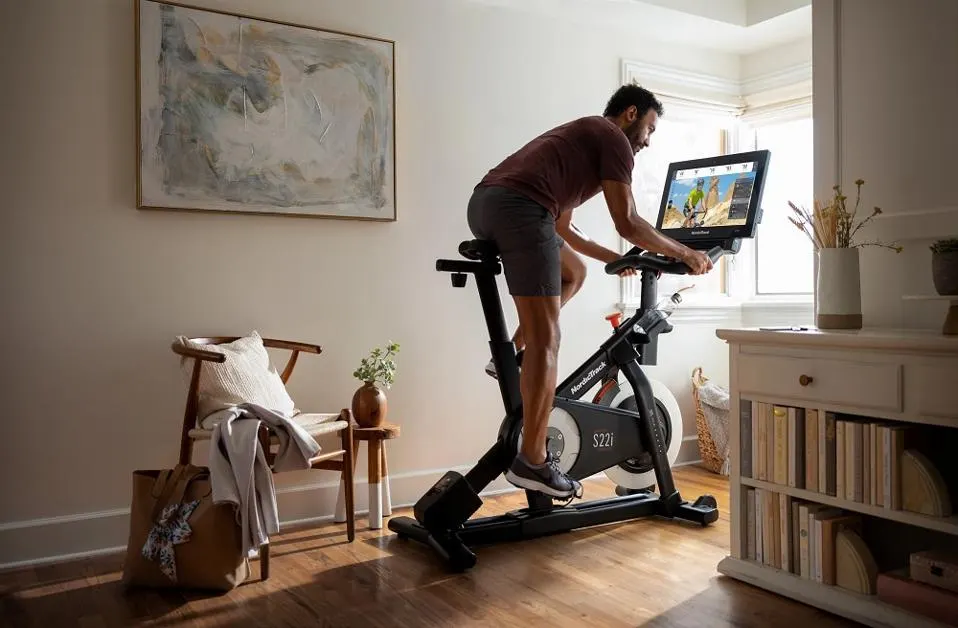
In a country where space is limited and efficiency is prized, home workouts have become a major fitness trend. Among them, indoor cycling Singapore stands out for its ability to deliver intense, low-impact cardio within a compact setup. But beyond the bike itself, technology has revolutionised the indoor cycling experience. From smart trainers and wearables to virtual training platforms, today’s cyclists can measure, monitor, and improve their performance with precision. Whether you’re a casual rider or a serious enthusiast, the right tech tools can make your sessions more engaging, personalised, and results-driven.
Why Technology Matters in Indoor Cycling
Technology transforms indoor cycling from a simple cardio workout into a data-rich, immersive experience. With connected devices and apps, you can:
-
Track performance metrics like cadence, heart rate, and power output.
-
Join virtual group rides and compete with cyclists worldwide.
-
Receive real-time feedback to correct form and pacing.
-
Monitor progress over weeks or months with precision.
For Singaporeans who value time efficiency and measurable outcomes, this tech integration bridges fitness with productivity. It turns each ride into a session of quantified self-improvement.
Essential Gadgets for Indoor Cyclists
1. Smart Indoor Bikes and Trainers
The core of a home cycling setup is your bike or trainer. Smart bikes and trainers provide adjustable resistance, simulate real-world terrain, and sync seamlessly with training apps.
Popular options include:
-
Direct-drive smart trainers: Attach your own bike to simulate realistic road feel.
-
Smart indoor bikes: All-in-one machines with built-in displays and resistance control.
-
Wheel-on trainers: Compact and affordable options suitable for beginners.
These devices automatically adjust resistance during climbs and sprints, helping you mimic outdoor conditions even in an HDB living room. The convenience of connecting via Bluetooth or ANT+ allows you to pair them with mobile apps and fitness trackers easily.
2. Heart Rate Monitors
A heart rate monitor is essential for precise training. It helps you understand how hard your body is working, ensuring that you stay within your target heart rate zones.
Types of monitors:
-
Chest straps: Provide the most accurate readings, ideal for high-intensity training.
-
Optical wristbands: Convenient and suitable for moderate sessions.
By monitoring heart rate, you can optimise effort, prevent overtraining, and align your rides with specific fitness goals such as endurance or fat burning.
3. Cadence and Power Meters
These sensors measure pedalling speed (RPM) and the amount of power you generate in watts. Power data is the most reliable indicator of performance because it reflects how much work you’re actually doing, regardless of fatigue or external factors.
Why they matter:
-
Cadence helps maintain consistent rhythm.
-
Power output shows progress over time.
-
Combining both ensures you train efficiently rather than blindly pushing harder.
4. Fitness Watches and Trackers
Smartwatches like Garmin, Polar, or Apple Watch can pair with your bike or training app to track cycling sessions, sleep quality, and recovery. These devices sync seamlessly with smartphone apps to analyse long-term progress.
They also help you balance your workouts with recovery, ensuring sustainable results—a key factor in Singapore’s fast-paced environment where overtraining is common.
5. Indoor Cycling Apps
Technology has made it possible to transform your living room into a digital cycling studio. Apps bring variety, structure, and community to your routine.
Top choices for home riders:
-
Zwift: Offers immersive virtual rides through scenic worlds and competitive group races.
-
TrainerRoad: Focuses on data-driven training plans for structured improvement.
-
Wahoo SYSTM: Combines professional coaching with engaging workout videos.
-
Peloton Digital: Delivers instructor-led classes for those who thrive on motivation and rhythm.
These apps gamify your sessions, adding excitement and accountability. For Singaporeans training in compact spaces, they provide motivation and a sense of community without the need for a physical studio.
6. Smart Displays and Streaming Devices
A large screen or tablet stand enhances visibility and comfort during rides. Connecting your training app to a smart TV creates an immersive studio-like experience.
Tip: Position the screen at eye level to maintain posture and reduce neck strain.
You can also use Bluetooth speakers to amplify music or instructor cues, creating an energising environment that keeps your motivation high throughout the session.
7. Cooling and Comfort Accessories
Singapore’s humid climate can make indoor workouts uncomfortable without proper airflow. A high-quality cooling fan, sweat-resistant floor mat, and towel station can dramatically improve comfort and safety.
These additions might seem minor, but they prevent overheating and slippage, ensuring focus on performance instead of discomfort.
Making Your Setup Work in a Singapore Home
Space constraints are common, so optimisation is key. Choose foldable or compact trainers and use noise-dampening mats to keep vibrations minimal in apartments. Position your bike near a power outlet and a well-ventilated area for airflow.
Pro Tip: Invest in a small shelf or wall mount to store accessories like shoes, heart rate straps, and water bottles neatly. A clean, organised setup increases the likelihood of consistent training.
Tracking Metrics That Matter
Technology provides endless data, but focusing on key performance indicators ensures clarity:
-
Cadence (RPM): Measures rhythm; ideal range is 80–100 RPM for most sessions.
-
Power (Watts): Reflects work intensity and strength improvements.
-
Heart Rate Zones: Help regulate effort and recovery.
-
Calories Burned: Provides a general energy expenditure estimate.
-
Distance and Time: Useful for endurance tracking.
Regularly reviewing these metrics helps fine-tune your workouts and highlight tangible progress.
The Benefits of a Tech-Enhanced Routine
-
Precision: Data-driven insights replace guesswork, maximising training efficiency.
-
Motivation: Visual feedback and virtual competition keep engagement high.
-
Accountability: Syncing workouts to apps tracks progress and maintains discipline.
-
Community: Online challenges and leaderboards build connection and consistency.
-
Sustainability: Technology helps manage effort and recovery, reducing burnout risk.
For Singaporeans balancing work, family, and fitness, these benefits make technology an indispensable ally.
The Future of Indoor Cycling Technology
The next wave of innovation focuses on personalisation. Artificial intelligence and adaptive training algorithms will soon adjust resistance and recovery based on individual performance trends. Wearables will integrate with sleep and stress data to optimise workout timing. For home cyclists, these advancements mean smarter, safer, and more effective training.
How TFX Supports the Tech-Driven Fitness Lifestyle
TFX combines cutting-edge equipment with expert instruction to create an immersive and data-rich indoor cycling environment. Their spin classes incorporate heart rate monitoring and performance tracking to help members measure progress with precision. Instructors guide riders to interpret their data effectively, ensuring every session is efficient, safe, and goal-oriented.
The brand also emphasises holistic wellness by blending technology with community and mindfulness. Members can leverage fitness data for sustainable improvement without losing the joy and energy that make indoor cycling such a rewarding experience.
FAQs
Q1: Do I need a smart bike for home indoor cycling?
Not necessarily. A basic stationary bike with a cadence sensor and fitness app can still deliver effective results. A smart bike simply adds convenience and data precision.
Q2: How can I track my progress without expensive gadgets?
Start with free apps that use your phone’s sensors to track time, distance, and effort. Gradually add tools like a heart rate strap or cadence sensor for more accuracy.
Q3: What’s the ideal indoor cycling app for beginners?
Peloton Digital and Zwift are both beginner-friendly, offering structured classes and motivational visuals that make training enjoyable.
Q4: How can I prevent overheating during indoor cycling?
Position a fan nearby, stay hydrated, and wear moisture-wicking clothes. Consider training early in the morning or late at night when room temperatures are lower.
Q5: Can I use my smartwatch to monitor heart rate zones?
Yes. Most modern smartwatches sync with popular apps and trainers. Ensure the watch fits snugly and remains in contact with your wrist for accurate readings.
With the right blend of technology and motivation, indoor cycling becomes more than a workout—it evolves into an intelligent, data-driven journey that keeps you pushing forward with clarity and purpose.